
Overview
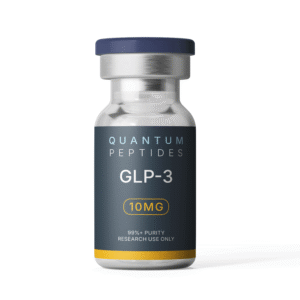
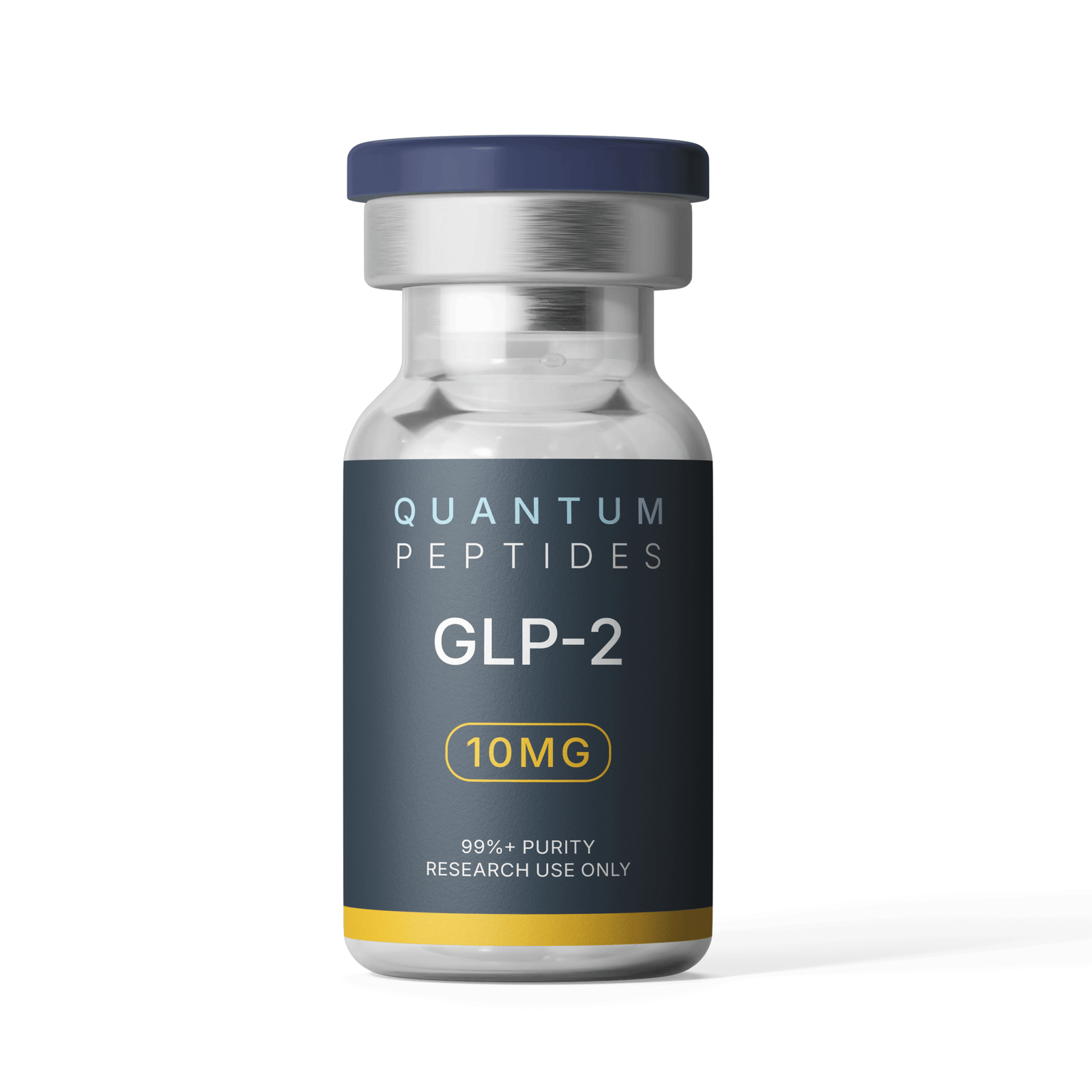
GLP2-TRZ is a synthetic 39-amino-acid incretin-analogue research peptide engineered as a dual agonist at the GIP and GLP-1 receptors. It carries a C20 fatty-diacid side chain for albumin binding, the design used across the long-acting incretin class. Supplied as a lyophilised powder for receptor-signalling and metabolic research.
Research background
Dual GIP/GLP-1 receptor agonism is among the most published areas in metabolic research of the past decade. The literature on this molecular class covers receptor-binding and cAMP signalling assays, rodent models of glucose homeostasis and body-weight regulation, and extensive clinical programmes run by pharmaceutical originators on their proprietary products. This product is the research chemical for laboratory use; it is not, and must not be represented as, any approved medicine.
Specifications
| Class | GIP / GLP-1 receptor dual agonist peptide |
| Length | 39 amino acids, C20 fatty-diacid acylated |
| Molecular weight | ≈ 4,813 g/mol |
| Purity (HPLC) | ≥ 99% — see lot certificate |
| Form | Lyophilised powder, 10 mg |
| Solubility | Water, bacteriostatic water |
| Storage (lyophilised) | −20 °C, desiccated, protected from light |
Certificate of analysis
Every lot is tested by an independent US laboratory. The certificate for the lot you receive is linked in the product details above and carries the same lot number as the vial label. New to reading one? How to read a peptide certificate of analysis.
Handling and storage
Store the lyophilised powder at −20 °C, sealed and protected from light, and bring the vial to room temperature before opening. After reconstitution keep the solution at 2–8 °C in the dark. See how to reconstitute a lyophilised peptide (with calculator) and peptide storage and shelf life.
Frequently asked questions
What does ‘dual agonist’ mean?
A single peptide that activates two receptors — here the GIP receptor and the GLP-1 receptor — which are studied together in incretin signalling research.
Why the fatty-acid side chain?
It binds serum albumin in published pharmacokinetic studies, which is the mechanism behind the long half-life of this peptide class.
Is this an approved medicine?
No. It is a research-use-only peptide and is not any pharmaceutical product.
Reconstitution and storage?
Bacteriostatic or sterile water; 2–8 °C after reconstitution, protected from light. See the Learn guides.
Human or veterinary use?
No. Research use only.
Research use only. All products are supplied for in-vitro and preclinical laboratory research only. Not for human or veterinary use, not for diagnostic or therapeutic use. Purchaser must be 21+ and accept the Research Use Acknowledgement.