
Overview
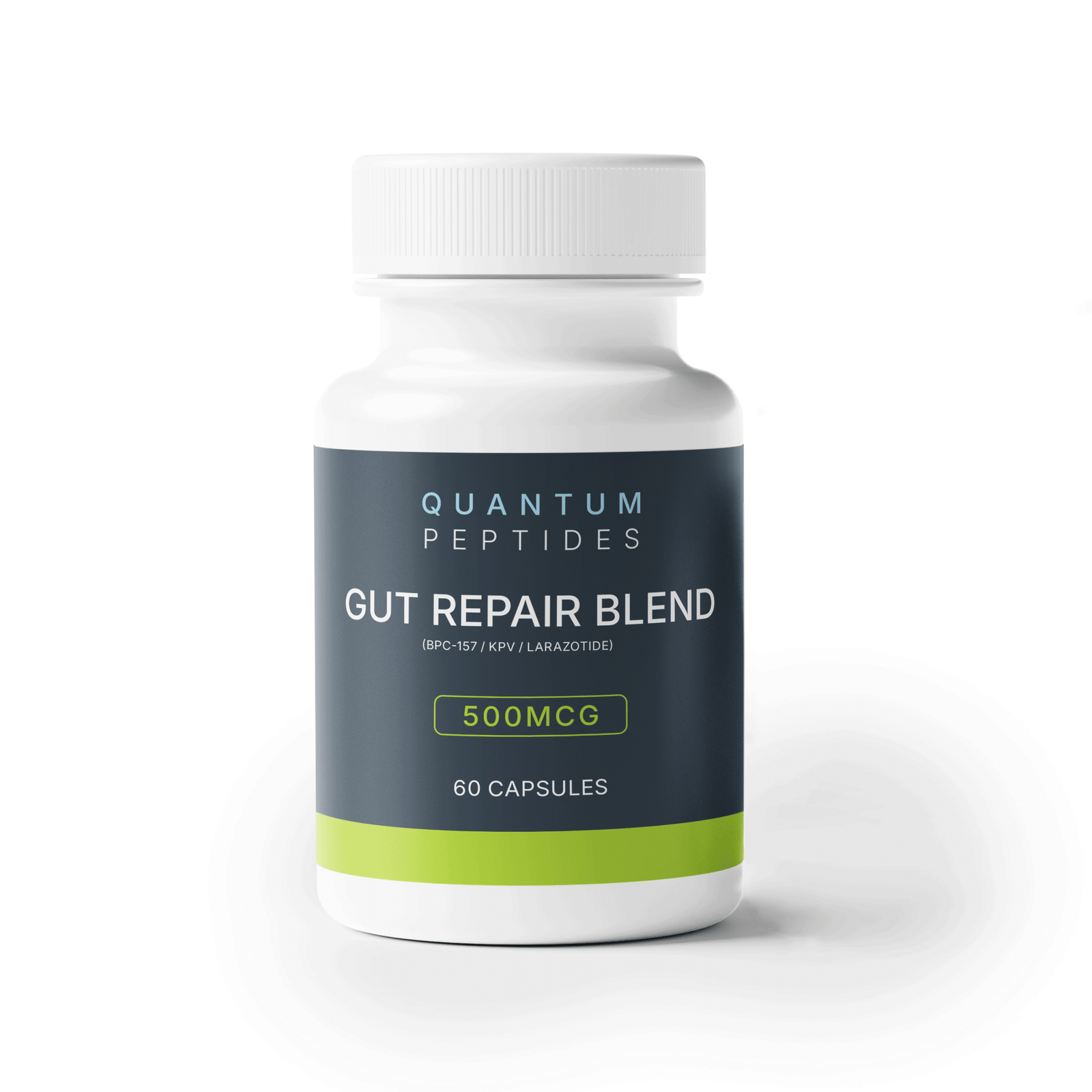
The Gut Repair Blend is a three-peptide research formulation supplied in capsule form: BPC-157, the gastric-juice-derived pentadecapeptide; KPV, the C-terminal tripeptide of α-MSH; and larazotide (AT-1001), a synthetic octapeptide studied as a regulator of intestinal tight junctions. The three were chosen because each has an oral-route literature in intestinal models: BPC-157 is stable in gastric juice, KPV is carried into intestinal cells by the PepT1 transporter, and larazotide was developed specifically as an oral, non-absorbed compound acting at the gut epithelium. Each capsule contains 500 µg of combined peptide. It is supplied for in-vitro and preclinical laboratory use.
Research background
BPC-157 has the longest record of the three: the Sikirić group in Zagreb has published rodent studies since the 1990s on gastric, duodenal and colonic lesion models, intestinal anastomosis and fistula models, mostly with oral or intraperitoneal administration, reporting faster lesion closure and effects on nitric-oxide and VEGFR2 pathways. KPV entered the intestinal literature through Dalmasso and colleagues (2008), who showed that the tripeptide is taken up by PepT1 on intestinal epithelial and immune cells, inhibits NF-κB signalling in vitro, and reduces disease activity in two mouse colitis models when given in drinking water; later work delivered it orally in nanoparticles and hydrogels. Larazotide is the only one of the three with a formal clinical history: developed as an oral zonulin-pathway antagonist, it reduced gliadin-induced permeability in cell and rodent models and went through phase 1–3 trials in coeliac disease before the programme was discontinued in 2022 for lack of efficacy at the primary endpoint; it remains an established research tool for tight-junction biology.
The rationale for combining them is that they act on three different parts of the same problem in intestinal-barrier models: epithelial repair (BPC-157), mucosal inflammatory signalling (KPV) and paracellular permeability (larazotide). No published study has tested this specific three-peptide combination; the blend is offered so that researchers can run it against the single compounds, which are available separately as BPC-157 and KPV. Our guide to peptide blends in research discusses when a co-formulated product is appropriate and when single compounds are the better design.
Specifications
| Components | BPC-157 (Gly-Glu-Pro-Pro-Pro-Gly-Lys-Pro-Ala-Asp-Asp-Ala-Gly-Leu-Val); KPV (Lys-Pro-Val); larazotide / AT-1001 (Gly-Gly-Val-Leu-Val-Gln-Pro-Gly) |
| Also known as | BPC-157 / KPV / larazotide capsules; gut peptide blend |
| CAS numbers | 137525-51-0 (BPC-157); 67727-97-3 (KPV); 258818-34-7 (larazotide) |
| Molecular weights | 1,419.6 (BPC-157); 342.4 (KPV); 725.8 g/mol (larazotide) |
| Purity (HPLC) | Specification ≥ 99% per component; batch certificate not yet available (product is backordered) |
| Form | Capsules, 500 µg combined peptide per capsule |
| Solubility (contents) | Water, bacteriostatic water, PBS |
| Storage | Cool, dry, protected from light, container closed; refrigerate for long-term storage |
Mechanism of action (proposed)
Each component has its own proposed mechanism, and none is settled. BPC-157’s effects in lesion models are attributed to nitric-oxide pathway modulation, VEGFR2-linked angiogenesis and cytoprotective signalling, but no receptor has been identified. KPV does not act through melanocortin receptors; the working hypothesis is PepT1-mediated uptake followed by inhibition of NF-κB nuclear translocation and cytokine transcription. Larazotide is proposed to block the zonulin-triggered opening of tight junctions by preventing the redistribution of tight-junction proteins such as ZO-1 and occludin, keeping the epithelium in its closed state; it is not absorbed to a meaningful degree, so its activity is confined to the gut lumen and epithelium. Whether the three interact, add, or simply coexist is an open question that a blend can only answer when compared against each compound alone.
Research findings and limitations
Reported findings, each for the single compound: faster closure of gastric, colonic and fistula lesions in rats given BPC-157 orally or by injection (in vivo, animal); reduced colitis scores and cytokine output in mice given KPV orally, and NF-κB inhibition in intestinal cell lines (animal and in vitro); reduced gliadin-induced permeability in cell monolayers and rodents given larazotide, and a completed but unsuccessful phase 3 programme in coeliac disease (in vitro, animal and clinical). Limitations: the three-peptide combination itself has not been studied; the BPC-157 literature comes largely from one group; KPV’s oral effect depends on a transporter whose expression varies with species and inflammation; larazotide’s clinical trials concern a regulated pharmaceutical product and ended without an approved indication. A research supplier can confirm identity and purity; it cannot characterise effects in people, and this product is not for human or veterinary use.
Certificate of analysis
This product is currently backordered and no batch has been released for sale, so there is no batch-specific certificate of analysis yet. Quantum Peptides does not publish a certificate until an independent US laboratory has tested the exact lot that will ship. For a blend, the certificate should report identity and purity for each of the three peptides, not a single combined figure. When stock is released, the lot number, measured purity and certificate link will appear in the product details above, as they do on our in-stock products. New to reading one? How to read a peptide certificate of analysis.
Handling and storage
Store the capsules cool, dry and protected from light in the closed container; refrigeration at 2–8 °C is appropriate for long-term storage, and the container should come to room temperature before opening to avoid condensation. The peptides are supplied as a dry powder inside the capsule, so the stability considerations of a lyophilised vial apply once the contents are dissolved: BPC-157 is unusually stable, KPV has no oxidation-prone residues, and larazotide contains no cysteine or methionine, so the dissolved blend is comparatively robust, but solutions should still be kept at 2–8 °C in the dark and prepared fresh for sensitive assays. See peptide storage and shelf life.
Capsule format and laboratory handling
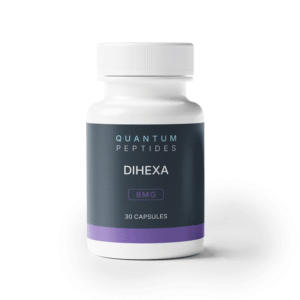
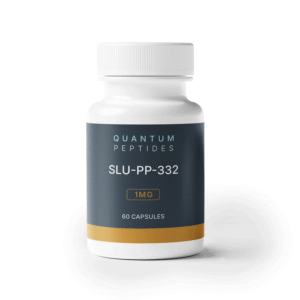
This product is supplied in capsules rather than as a lyophilised vial, the same format as the catalogue’s SLU-PP-332 capsules. For in-vitro work the capsule is opened and the contents dissolved; 500 µg of combined peptide in 1 mL of water or PBS gives a 500 µg/mL stock, and the peptide calculator handles any other volume. The capsule shell and any excipient will be stated on the batch certificate when stock is released. See also how to reconstitute a lyophilised peptide and bacteriostatic water vs sterile water.
Related research compounds
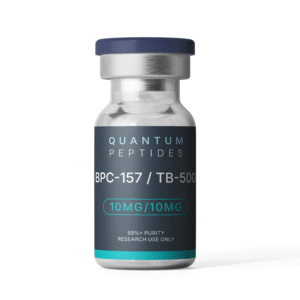
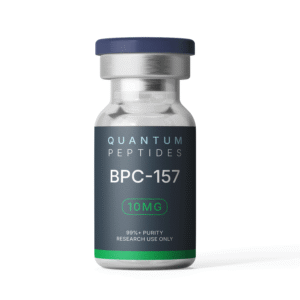
The single-compound vials BPC-157 10 mg and KPV 10 mg are the controls for any experiment using this blend. BPC-157 is also available co-lyophilised with thymosin β4 as the BPC-157 / TB-500 blend; the differences between the two are explained in BPC-157 vs TB-500. The other capsule product in the catalogue is listed here.
Frequently asked questions
Is a certificate of analysis available for this product?
Not yet. The product is backordered and no batch has been released. A batch-specific certificate from an independent US laboratory, reporting each of the three peptides, will be linked on this page before any stock ships.
What is in the Gut Repair Blend?
Three peptides: BPC-157, KPV and larazotide (AT-1001), 500 µg combined per capsule.
Why capsules rather than a vial?
All three components have an oral-route literature in intestinal models, so the blend is supplied in the format that matches how they have been studied. The contents can be dissolved for in-vitro work like any lyophilised peptide.
Has this combination been studied?
Not as a combination. Each component has its own animal or cell literature; the blend is offered so the combination can be compared against the single compounds, which are sold separately.
What is larazotide?
A synthetic octapeptide (AT-1001) developed as an oral tight-junction regulator. It went through clinical trials in coeliac disease that ended in 2022 without approval and remains a research tool for intestinal-permeability models.
How should the capsules be stored?
Cool, dry, closed and protected from light; refrigerate for long-term storage and let the container reach room temperature before opening.
Can this product be used in humans or animals?
No. Quantum Peptides products are supplied for in-vitro and preclinical laboratory research only, not for human or veterinary use, and not as a dietary supplement.
References
- Sikirić P, Seiwerth S, Rucman R, et al. Stable gastric pentadecapeptide BPC 157: novel therapy in gastrointestinal tract. Current Pharmaceutical Design. 2011.
- Dalmasso G, Charrier-Hisamuddin L, Nguyen HTT, et al. PepT1-mediated tripeptide KPV uptake reduces intestinal inflammation. Gastroenterology. 2008.
- Gopalakrishnan S, Durai M, Kitchens K, et al. Larazotide acetate regulates epithelial tight junctions in vitro and in vivo. Peptides. 2012.
- Leffler DA, Kelly CP, Green PHR, et al. Larazotide acetate for persistent symptoms of celiac disease despite a gluten-free diet: a randomized controlled trial. Gastroenterology. 2015.
Research use only. All products are supplied for in-vitro and preclinical laboratory research only. Not for human or veterinary use, not for diagnostic or therapeutic use. Purchaser must be 21+ and accept the Research Use Acknowledgement.